Approaching sexual harassment in newsrooms when most cases are under-reported is a major challenge. Women are the most marginalised group in the media industry, with their safety and impunity a major concern.
The overall purpose of this one-year project (2024/2025), funded by Stem van Afrika, was to raise awareness of incidents of sexual harassment and gender-based discrimination. It was led by the Kenyan Community Media Network (KCOMNET), which conducted a series of in-person and online awareness sessions among community reporters, management of the stations, and their audiences.
Most of the alleged perpetrators are fellow employees or direct supervisors, argued KCOMNET’s coordinator, Mr. Tom Mboya. The problem is aggravated by the fact that many reported cases are dismissed.
“Worryingly, a large portion of women professionals who had suffered some type of harassment or abuse decide not to move forward in reporting these cases”, stressed Mboya.
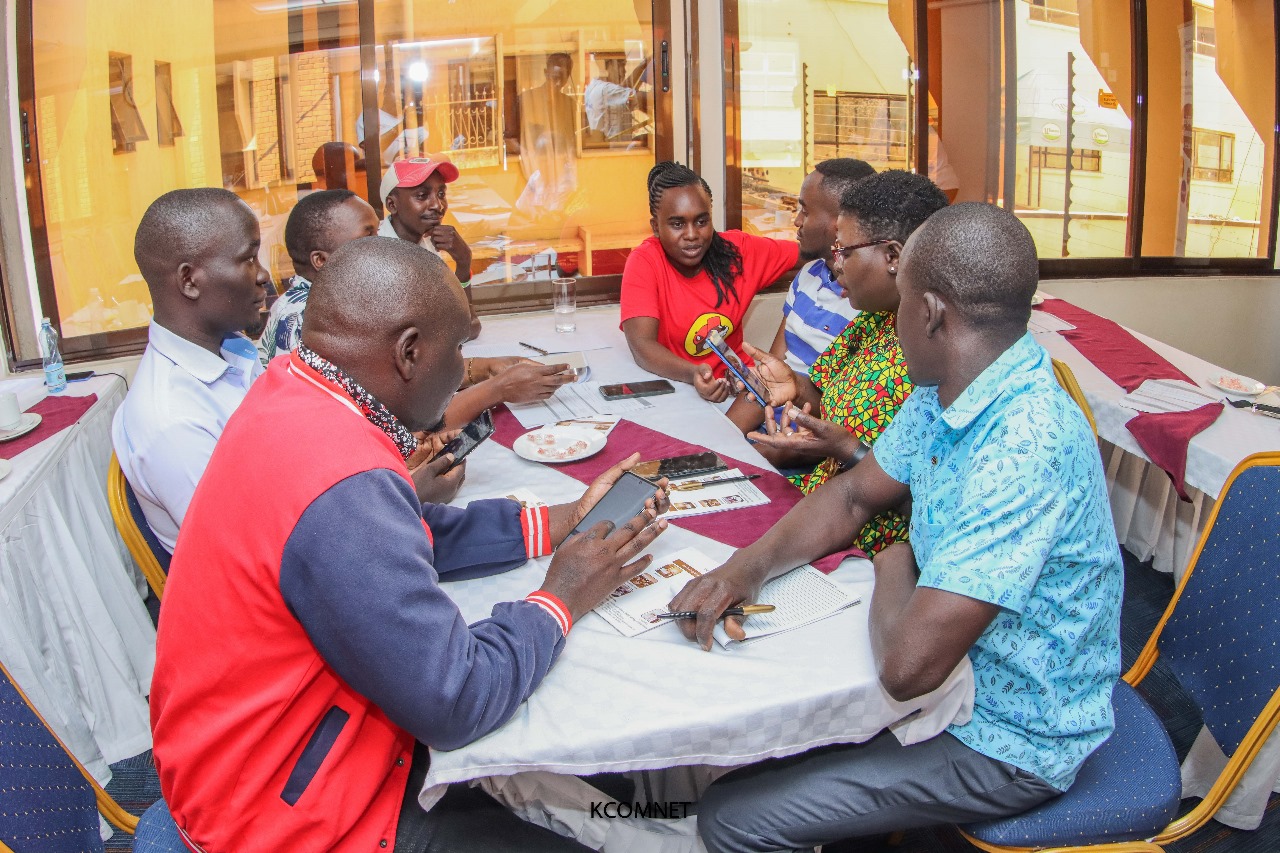
The training and info sessions comprised understanding power dynamics in the workplace, harassment, and other types of abuse. It also included the complaint mechanisms, institutional responsibilities, and practical case studies.
According to KCOMNET, pre-assessments and post-tests conducted with approximately 300 participants demonstrated their understanding of the policy elements increased by 40-60%.
“Twenty community radio stations have now officially ratified and operationalised their policy against sexual harassment and gender-based violence in the workplace”, said Mboya.
Cultural and institutional silence
A major barrier is staff members’ fear, especially among junior and female workers, of speaking up due to concerns about job loss, retaliation, victim-blaming, or management inaction.
The lack of human resources infrastructure also plays a role, as many community stations operate without these formal departments, making policy adoption challenging.
Not to speak that many media workers, particularly interns and volunteers, lack awareness of their rights under Kenyan labour and gender laws. Kenya’s Employment Act of 2007 criminalises gender-based discrimination as well as sexual harassment at the workplace.
KCOMNET acknowledged that many of the community media outlets were not conversant with the act, and not complying with its provisions, which makes it mandatory for employers with twenty or more employees to have such type of policy.
Policy and storytelling
The policy model was designed “integrating legal compliance, gender-sensitive language, survivor-centred procedures, and accountability frameworks”, explained KCOMNET’s coordinator.
Storytelling via personal testimony had an impactful effect. Each participating community media outlet produced at least one feature story highlighting the impact of sexual harassment in the workplace. The content included survivor testimony, expert commentary, and community reaction segments. An estimated reach of approximately 3 million listeners.
They were shared both on air and via the Sikika.net digital platform.